Emergency Tree Removal in Pacifica
Describe your tree today
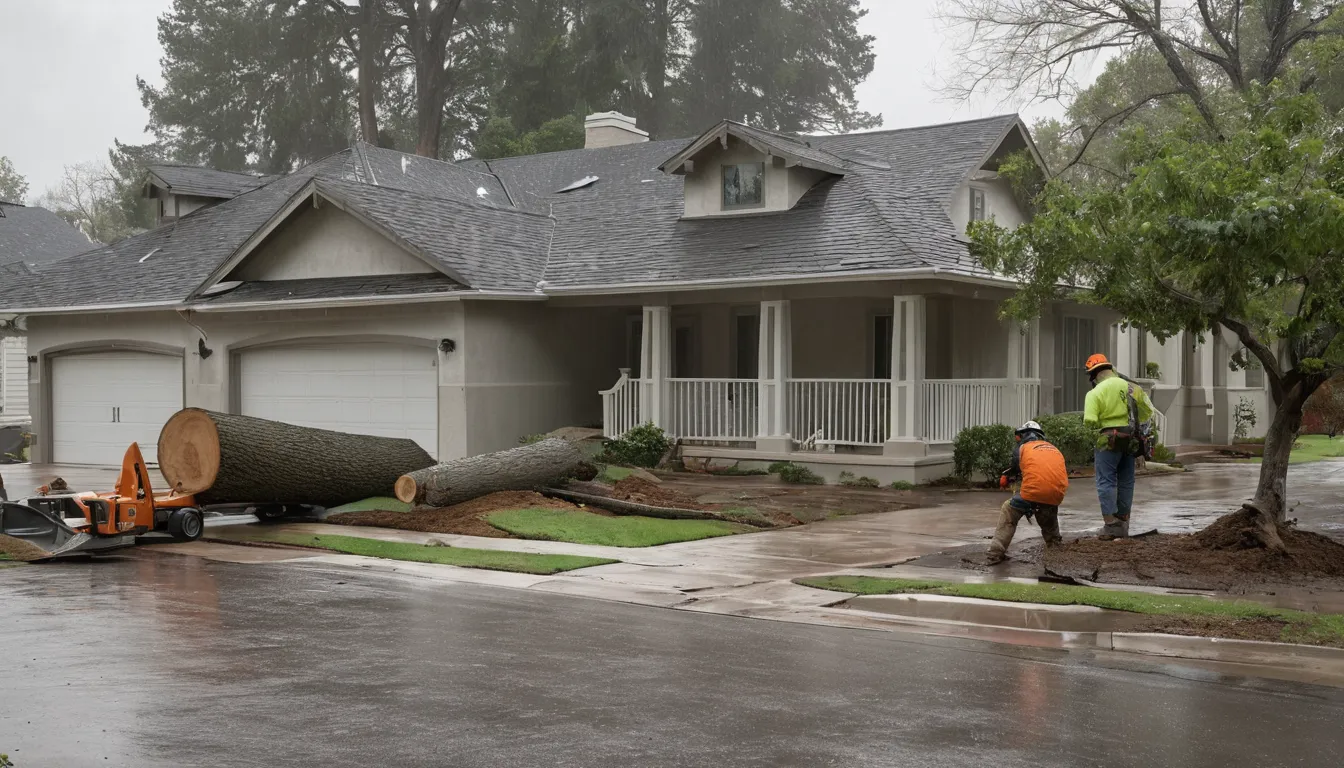
First, describe the tree. Tell us where it fell, how big it is, and what it touches. Slightlyuseful Tree Service is a referral service, so we match you with an independent provider in our network. The provider does the work. We keep the first step short.
Emergency tree removal covers trees that are down, split, or leaning toward your home. It also covers storm tree clearance when limbs block a driveway or street. Providers in the Pacifica area can often take on urgent jobs, and many can respond quickly. Availability changes with each storm. You get a written quote before work starts, so you know the scope and can plan around your week.
Tree Down? Do This First
First, make the area safe. Then ask for help.
- Keep everyone inside and away from the tree.
- Stay far back from any wire that touches or sits near the tree. Treat every wire as live.
- Report downed lines to the utility, not to a tree provider.
- Do not cut a tree that is leaning, split, or bent under tension.
A tree under tension can snap back with no warning. Leave it to a trained provider.
What Counts as an Urgent Tree Problem
Use this short list to sort your situation.
- A tree or large limb on a house, garage, fence, or car
- A tree blocking a driveway or the way out of your street
- A tree resting on or near power lines
- A fresh split, a lifted root ball, or a trunk that leans after wind
- A broken limb hanging over a play area or walkway
If one of these fits, ask for emergency tree removal. If the tree is stable and nobody is at risk, a standard visit may be enough.
Urgent, Soon, or Can Wait
- Urgent: danger to people or a home, or blocked access.
- Soon: a damaged tree that still stands, with cracks or dead limbs overhead.
- Can wait: a fallen tree in a far corner, away from anything.
Not sure which one you have? Describe it and let the provider help you sort it out.
What Happens Hour by Hour
Timing changes the outcome. Here is a simple view of the first days.
The First Hour
Take photos from a safe distance. Move people away from the damaged side of the house. Move cars only if the path is clear. Then contact a provider.
The First Day
A provider can look at the job, secure the tree, and cut away what presses on a roof or fence. Many providers can respond quickly, but availability depends on the storm. Request a callback to check provider availability.
The Next Few Days
Rain can seep into a damaged roof. Weight can shift. Cracked trunks can fail. Waiting often turns a small cut into a crane job. Early photos also make any claim easier to document.
How Storm Tree Clearance Works
Storm tree clearance follows a set order.
- First, describe the tree: size, where it fell, and what it touches.
- Next, get matched with a local provider in our network.
- Then, review the written quote. Quote before work, with the scope listed.
- Last, pick a start time that fits your household.
What the Provider Does on Site
The provider checks wires, tension, and ground first. Next comes cutting the tree in sections and lowering heavy pieces. Debris is then cleared as agreed in the quote. For a tree on a house, a crane may be needed. A tree falling service can also take down a damaged tree that still stands, before it drops on its own.
Plan Around Your Week
Busy families need low disruption. Ask the provider these before the visit:
- Where will trucks and equipment park?
- Which gate or side yard will be used?
- How long will the work likely take?
- Can the work avoid school drop-off and work calls?
- Should pets and children stay inside?
A clear plan keeps the day calm.
Wind, Rain, and Smoke Season Notes
Long dry seasons leave soil hard and trees stressed. Winter rain then softens the ground, and wind can topple shallow-rooted trees. Smoke seasons can also leave dead limbs hanging high. Many older tract homes have mature trees close to low rooflines and stucco walls, so even a mid-size limb can cause damage.
Working With Your Insurance
Some policies may cover sudden damage. Check your policy for the details. Providers can often help document damage for a claim.
- Take wide and close photos before anything moves.
- Keep the written quote and any invoice.
- Ask your insurer what they need before work starts.
Questions to Ask the Provider
- Can I see the written quote before work starts?
- Does the quote include debris haul-away?
- Will a crane be needed, and is that priced in?
- How do you protect my roof, lawn, and fence?
- What are the cleanup steps when you finish?
After the Tree Is Gone
Check the yard, roof edge, and fence line. If a stump remains, stump grinding is quoted as its own step. Ask about it up front so the work can be scheduled in one plan.
Preventing the Next Storm Problem
- Have trees checked before the rainy months.
- Remove dead limbs over roofs and play areas.
- Watch for cracks, mushrooms at the base, or leaning.
- Keep branches clear of wires and walls.
Your Next Step
First, describe the tree. Next, compare quotes. Then pick the start time that works for your week.
What's Included
Fallen Tree Removal
Trees down in a yard, on a fence, or across a driveway, cut and cleared safely.
Storm Tree Clearance
Broken limbs and toppled trunks cleared after wind and rain, so your home and street stay usable.
Tree on Structure
Careful sectional cutting or crane work when a tree rests on a roof, garage, or wall.
Debris Cleanup
Brush and logs hauled off as listed in your written quote.
Typical Emergency Tree Removal Costs
These are typical U.S. ranges. Real prices vary by tree size, access, and risk. Always get a written quote before work starts, and ask what is included.
| Item | Typical range | Notes |
|---|---|---|
| Small fallen tree | $300 – $1,000 | Easy access, no damage to structures |
| Large fallen tree | $1,000 – $3,000 | Heavy cutting and haul-away add cost |
| Tree on a house | $2,000 – $10,000 | Often needs careful rigging or a crane |
| Storm cleanup, many limbs | $500 – $2,500 | Depends on volume and access |
| Crane add-on | $1,000 – $3,000 | Used when ground access is tight |
| Urgent-job premium | $200 – $1,000 | Varies by provider and conditions |
How It Works
Describe the Tree
Share the size, location, and what the tree touches. Add a few photos taken from a safe distance.
Get Matched
A local provider in our network reviews your details and checks availability.
Review the Quote
Compare the written scope, price, and cleanup plan before you agree.
Pick a Start Time
Choose a visit that fits your week and household needs.
Why Call Slightlyuseful Tree Service
Matched With Local Providers
Describe the tree once and get connected with independent providers who serve your part of town.
Quote First
Review a written quote before work starts, so scope and price are clear.
Low Disruption
Ask for a plan that fits school runs, work calls, and family routines.
Simple Process
A short checklist keeps the first step easy during a stressful day.
Other Services
Need emergency tree removal in Pacifica?
Have a tree to take down? Request a callback to check provider availability, or send a request and compare written quotes from local providers.
No obligationEmergency Tree Removal FAQ
What should I do first when a tree falls on my house?
Get everyone out of the damaged area and away from any wires. Take photos from a safe distance. Then contact a provider. Do not try to cut or move the tree yourself.
How fast can emergency tree removal happen?
Timing depends on the storm, the provider's schedule, and how risky the job is. Many providers can respond quickly. Request a callback to check provider availability, or request an estimate and describe your situation.
Will my insurance pay for a fallen tree?
It depends on your policy and the cause of damage. Some policies may cover sudden damage, such as a tree falling on a home. Check your policy, and ask your insurer what they need. Providers can often help document damage.
Reach a local provider
Have a tree to take down? Request a callback to check provider availability, or send a request and compare written quotes from local providers.
No obligation